
Dental Bridges in Brooklyn
Missing a tooth can make everyday activities like eating and speaking more difficult, while also changing the appearance of your smile. A dental bridge can replace a missing tooth or several adjacent missing teeth without leaving an open space in your smile.
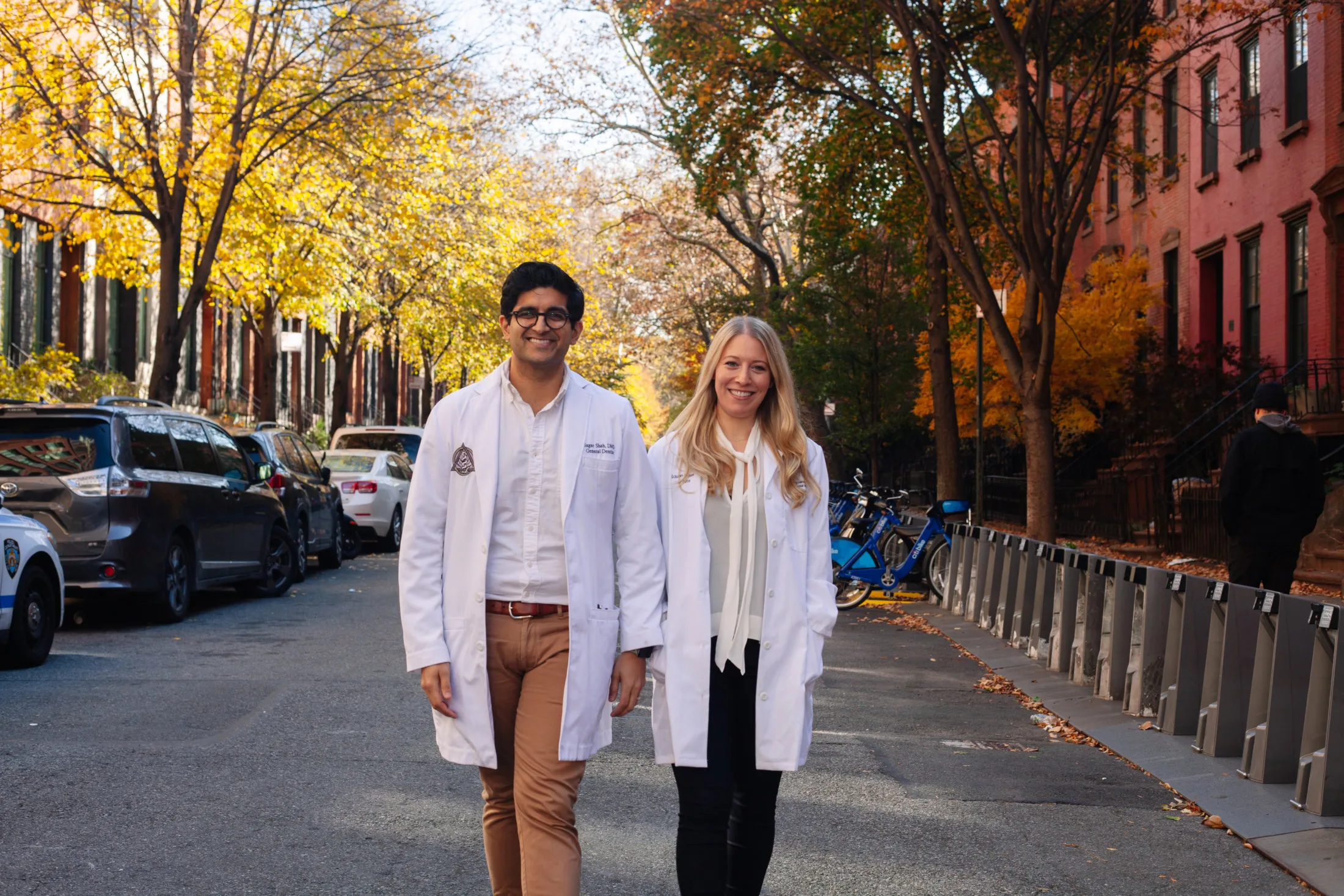
At Downtown Dental, Dr. Sagar Shah and Dr. Lauren Moses evaluate each patient’s teeth, bite, and overall oral health when determining whether a dental bridge is the right solution. Their goal is to provide a restoration that feels comfortable, functions properly, and complements your natural smile.
Schedule Your Appointment Today: Book Now
What Is a Dental Bridge?
A dental bridge is a custom-made restoration that fills the space created by one or more missing teeth. The replacement tooth, known as a pontic, is positioned in the space where the natural tooth was lost. Depending on the type of bridge, the pontic is supported by the natural teeth or restorations surrounding the gap.
By closing the space left by a missing tooth, a bridge can help restore your ability to chew comfortably, improve the appearance of your smile, and keep neighboring teeth from shifting into the open space.
Why Replace a Missing Tooth?
Even a single missing tooth can affect the way your teeth work together. Neighboring teeth may gradually move toward the open space, which can change your bite and make certain areas more difficult to clean.
Missing teeth can also affect your smile and speech. Replacing the tooth can help restore a more complete smile while supporting normal oral function.
Dr. Shah and Dr. Moses will consider the condition of the teeth surrounding the missing tooth, your bite, gum health, and your treatment goals when determining the best way to restore the area.
Dental Bridge Options at Downtown Dental
Traditional Fixed Dental Bridges
A traditional fixed bridge is supported by the natural teeth on either side of the missing tooth. These supporting teeth, known as abutment teeth, are prepared to receive crowns that are connected to the replacement tooth.
The completed bridge is permanently cemented into place. Because it is fixed, you do not remove it when eating or cleaning your teeth.
Removable Tooth Replacement
In some situations, a removable partial denture may be considered instead of a fixed bridge. A removable restoration can be taken out for cleaning and may be appropriate when several teeth are missing or when the surrounding teeth are not suitable for supporting a traditional bridge.
Dr. Shah or Dr. Moses can discuss the available options with you and explain the advantages of each based on your individual dental needs.
How Does a Dental Bridge Work?
A dental bridge essentially creates a new tooth where a natural tooth is missing. The artificial tooth fills the gap while the supporting portions of the bridge anchor the restoration to the surrounding teeth.
This allows the restoration to become part of your everyday smile rather than leaving an open space between your natural teeth.
Getting a Dental Bridge at Downtown Dental
The process begins with an examination by Dr. Shah or Dr. Moses. They will evaluate the missing tooth and the teeth around it to determine whether a bridge is an appropriate option.
For a traditional fixed bridge, the supporting teeth are carefully prepared so they can accommodate the crowns that will hold the bridge in place. Impressions or digital scans are then used to create a restoration designed to fit your mouth and work with your existing bite.
While your permanent bridge is being made, a temporary restoration may be placed to protect the prepared teeth. Once the permanent bridge is ready, Dr. Shah or Dr. Moses will check its fit, appearance, and bite before securing it in place.
Choosing the Right Look for Your Dental Bridge
Your bridge is designed to complement the rest of your smile. Depending on the location of the missing tooth and your individual needs, different restorative materials may be considered.
Porcelain and other tooth-colored materials can provide a natural-looking appearance, while certain metal or porcelain-fused-to-metal restorations may be appropriate for areas that experience greater biting forces.
During your consultation, Dr. Shah or Dr. Moses can explain which materials are appropriate for your specific restoration and help you understand what to expect from the finished result.
How Long Does a Dental Bridge Last?
The longevity of a dental bridge depends on several factors, including the health of the supporting teeth and gums, your oral hygiene routine, your bite, and the amount of force placed on the restoration.
Taking care of your bridge is similar to caring for your natural teeth. Regular dental examinations and professional cleanings give Dr. Shah and Dr. Moses an opportunity to monitor the bridge and make sure the supporting teeth remain healthy.
How Do I Care for My Dental Bridge?
Daily oral hygiene is particularly important because the teeth supporting your bridge need to remain healthy. Brush twice a day and clean between your teeth and underneath the bridge as recommended by your dental team.
A traditional toothbrush cannot reach every surface around a bridge. Floss threaders, interdental brushes, or other specialized cleaning tools may make it easier to remove plaque and food from beneath the replacement tooth.
Regular oral hygiene appointments can also help protect the teeth and gums surrounding your bridge.
Dental Bridges vs. Dental Implants
A dental bridge and a dental implant can both be used to replace a missing tooth, but they work differently. A bridge uses neighboring teeth or restorations for support, while a dental implant is placed into the jawbone to support a replacement tooth.
The best option depends on factors such as your oral health, the condition of the surrounding teeth, your bone structure, and your personal treatment preferences. Dr. Shah and Dr. Moses can discuss your options and help you determine which approach makes sense for your smile.
Are You a Candidate for a Dental Bridge?
A dental bridge may be appropriate if you are missing one or more teeth and have healthy supporting teeth and gums. Before recommending treatment, Dr. Shah or Dr. Moses will evaluate the area and consider how a bridge would affect your bite and overall oral health.
If the supporting teeth need treatment before a bridge can be placed, that may need to be addressed first. In other cases, a dental implant or another type of restoration may provide a better solution.
Frequently Asked Questions About Dental Bridges
Does getting a dental bridge hurt?
The teeth supporting a traditional bridge are prepared using local anesthesia to help keep you comfortable during treatment. Some temporary sensitivity may occur afterward. Dr. Shah or Dr. Moses will provide instructions for caring for your teeth while you adjust to your new restoration.
How many teeth can a dental bridge replace?
A bridge can replace one or more adjacent missing teeth. The appropriate design depends on the location of the missing teeth and the condition and strength of the surrounding teeth.
Can I eat normally with a dental bridge?
A dental bridge is designed to restore chewing function. After you have adjusted to the restoration, you should be able to eat many of the foods you normally enjoy. Your dentist may recommend limiting particularly hard or sticky foods that could damage the bridge.
How do I clean underneath a dental bridge?
Food and plaque can collect beneath the artificial tooth, so this area needs to be cleaned carefully. Floss threaders, interdental brushes, or other specialized tools can help clean beneath the bridge. Dr. Shah or Dr. Moses can demonstrate the best way to care for your specific restoration.
How do I know if a dental bridge is right for me?
The best way to determine whether a dental bridge is appropriate is to have the missing tooth and surrounding teeth evaluated. Dr. Shah or Dr. Moses can assess your oral health, bite, and treatment goals and explain whether a bridge, dental implant, partial denture, or another option would provide the best solution.
Replace Missing Teeth With a Dental Bridge in Brooklyn
You do not have to live with the appearance or inconvenience of a missing tooth. Dr. Sagar Shah and Dr. Lauren Moses can evaluate your smile and discuss dental bridge options based on your individual needs.
Call Downtown Dental Office Phone Number (718) 576-3730 to schedule a dental bridge consultation at Downtown Dental in Brooklyn.